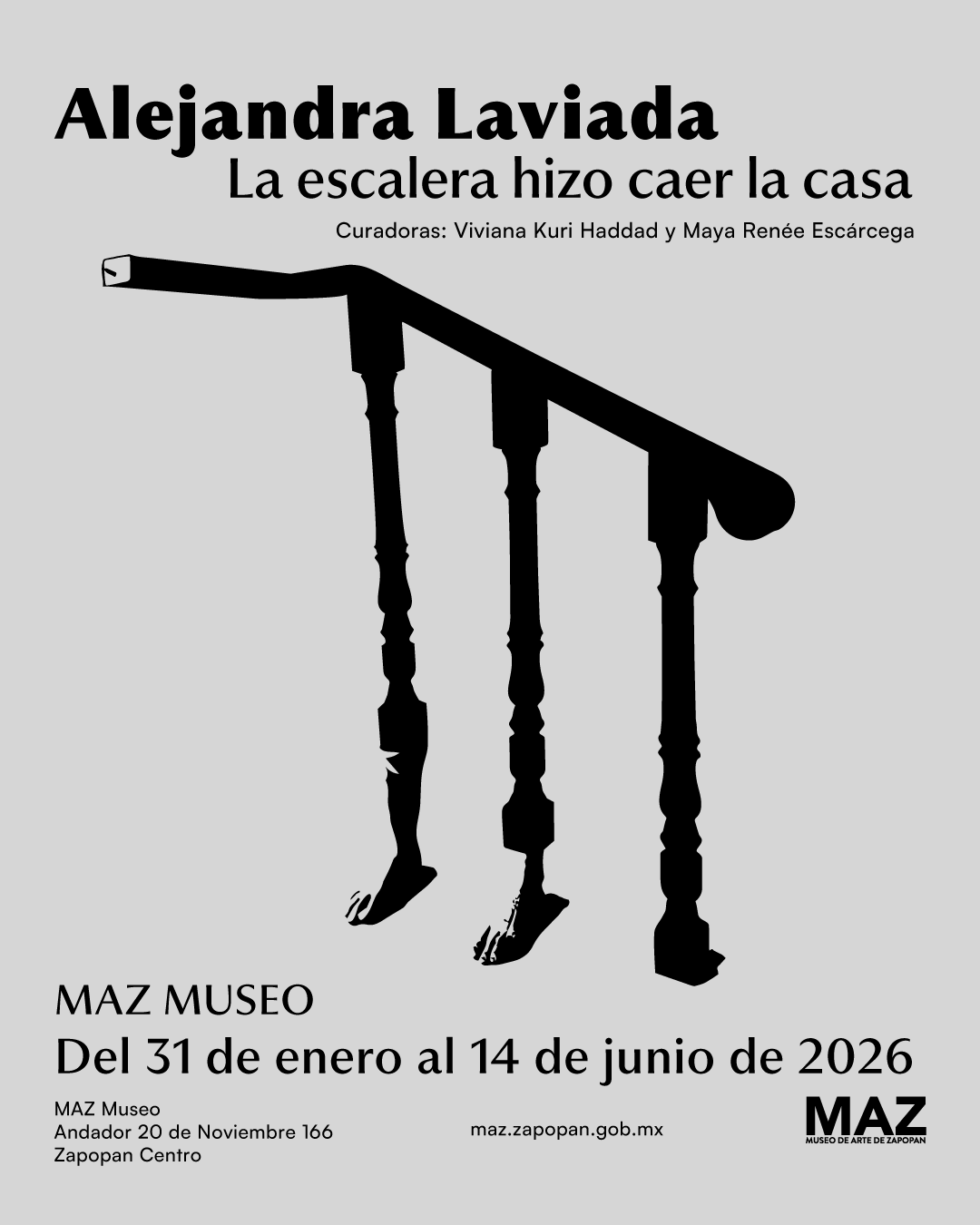
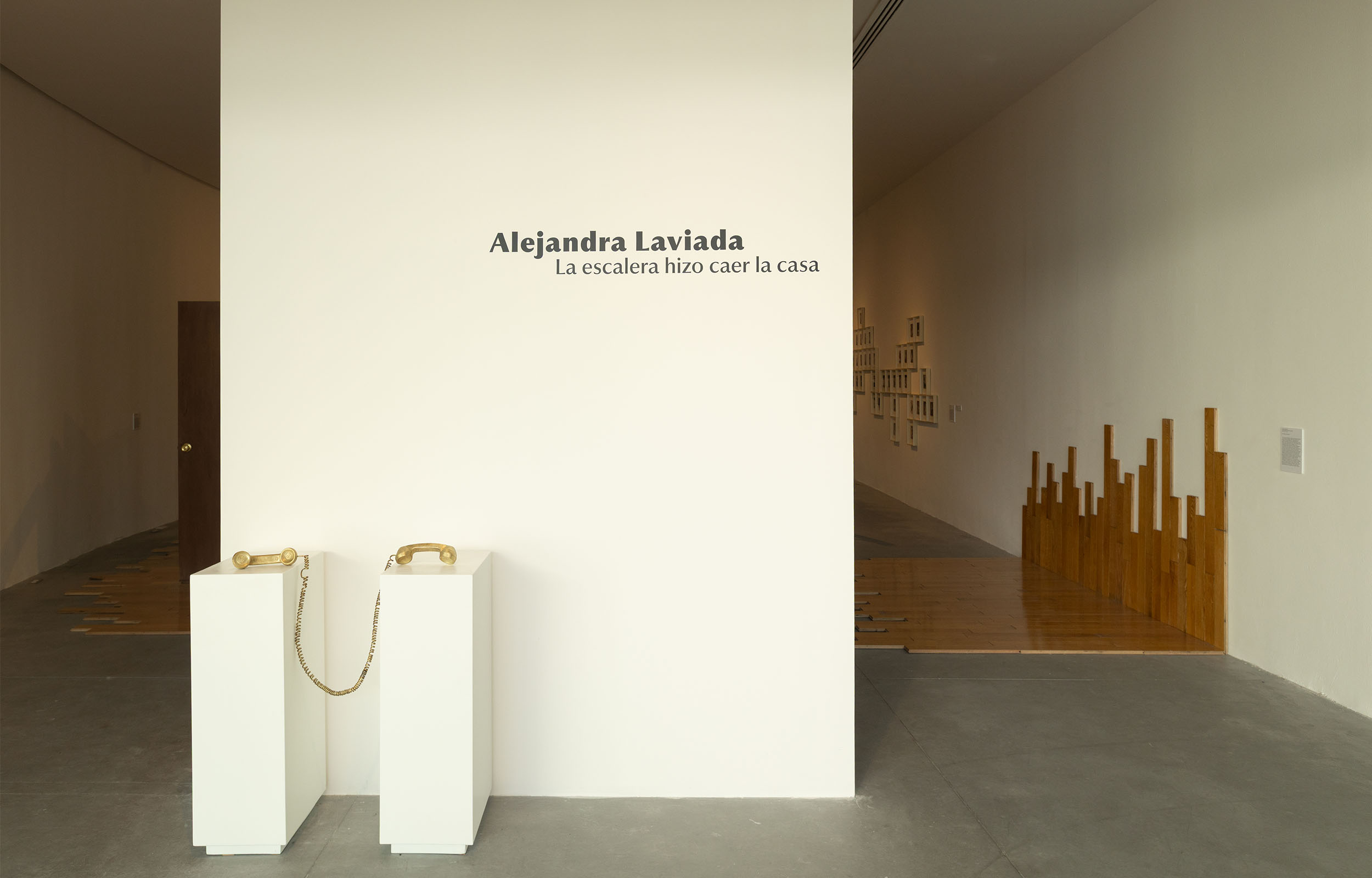
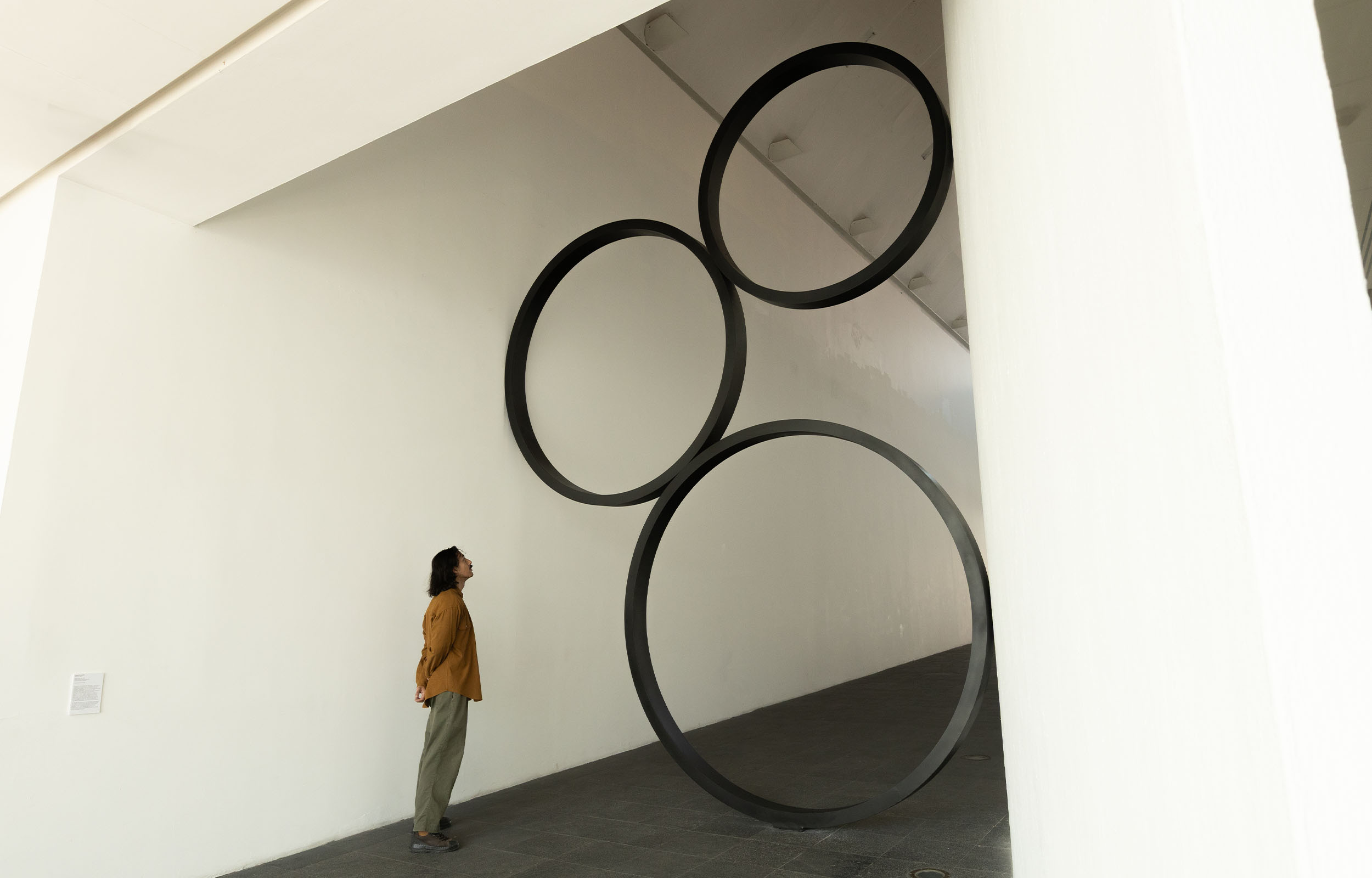
Alejandra Laviada: The Staircase Knocked the House Over*
From January 31st to June 14th, 2026
Curators: Viviana Kuri Haddad and Maya Renée Escárcega
Lola Álvarez Bravo Gallery
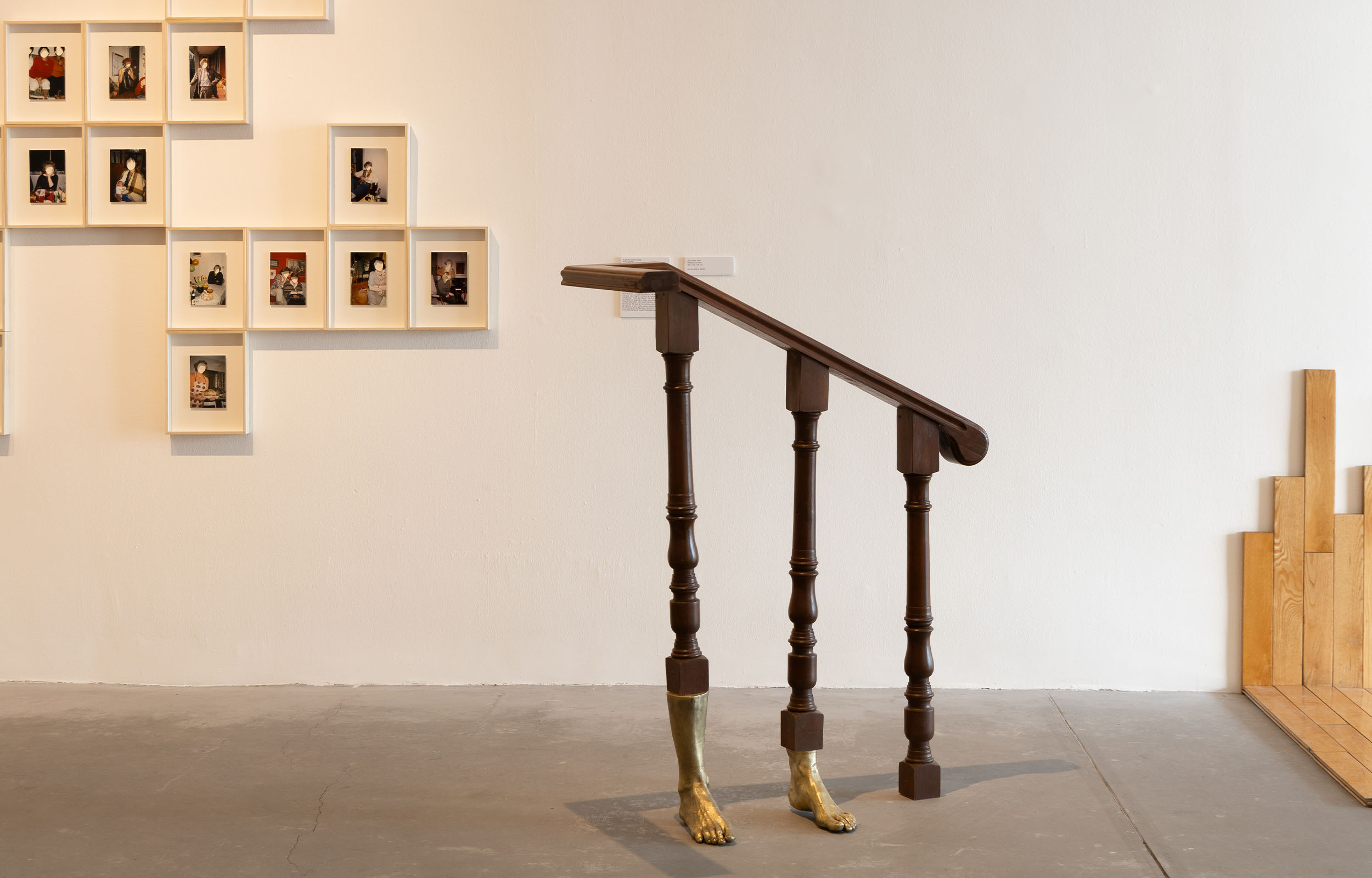
Between here and there, the staircase is an uninhabitable transitional space. It takes you somewhere, but it is not a place to be in: it is a transit space (although it is true that one can live below a staircase and sometimes it serves to install a half-bathroom under the landing). Walking up or down a staircase, we find ourselves momentarily in transition, without fully belonging to either the floor below or the floor above. This intermediary quality gives staircases a temporal dimension: they keep the measure not only of space, but also of experience. A staircase can symbolize a social or spiritual ascent, an aspiration, an effort, or a goal. Staircases are also lodged in our memories: the staircase of your childhood home (with the nightly terror of hearing it creak under the steps of someone coming up), or the lumbering steps of your father, the rapid steps of someone looking for the perfect hiding place in hide-and-seek, or the steps of your brothers and sisters racing down. All this forms the background of highly personal experiences (Gaston Bachelard).
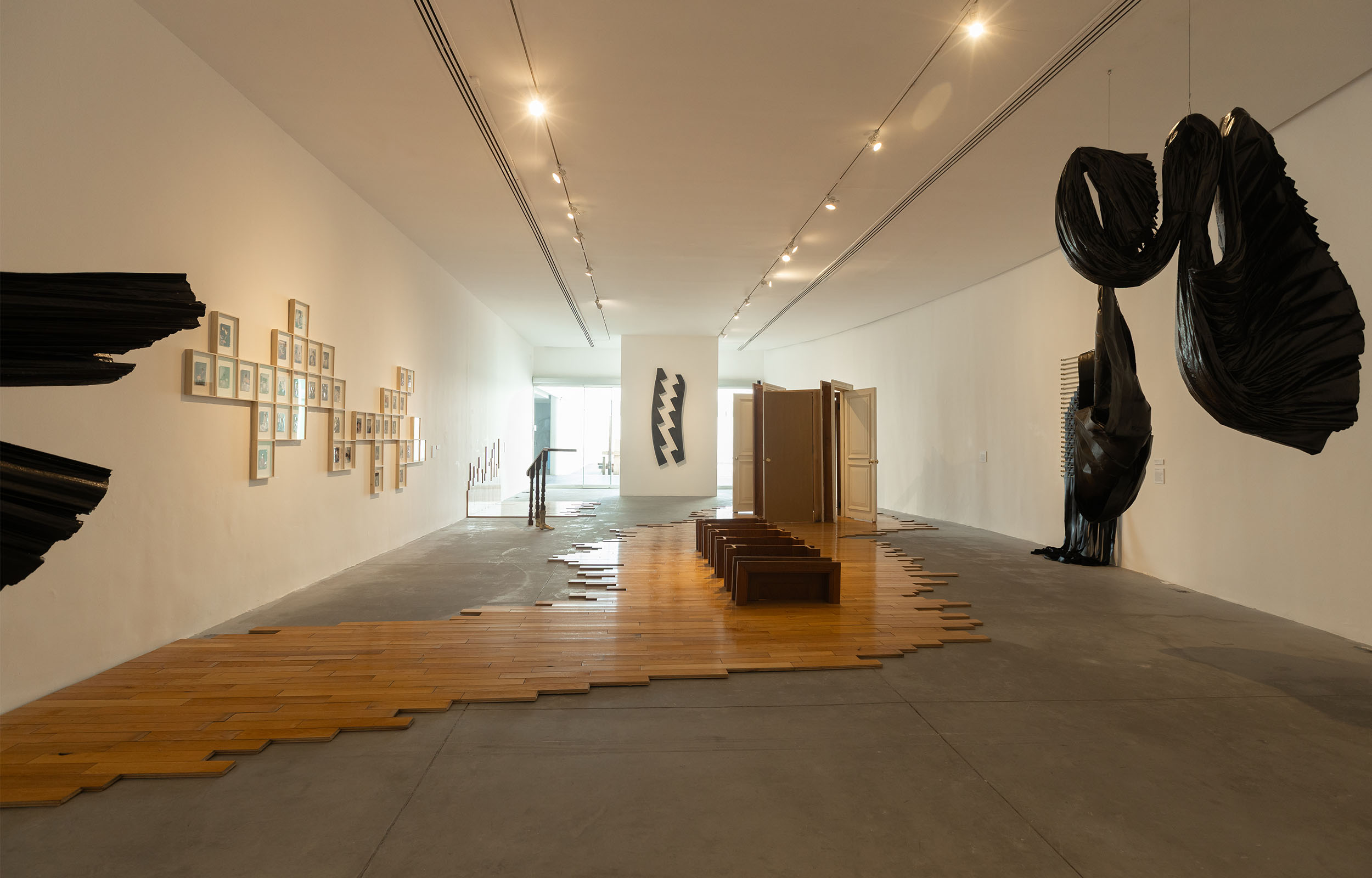
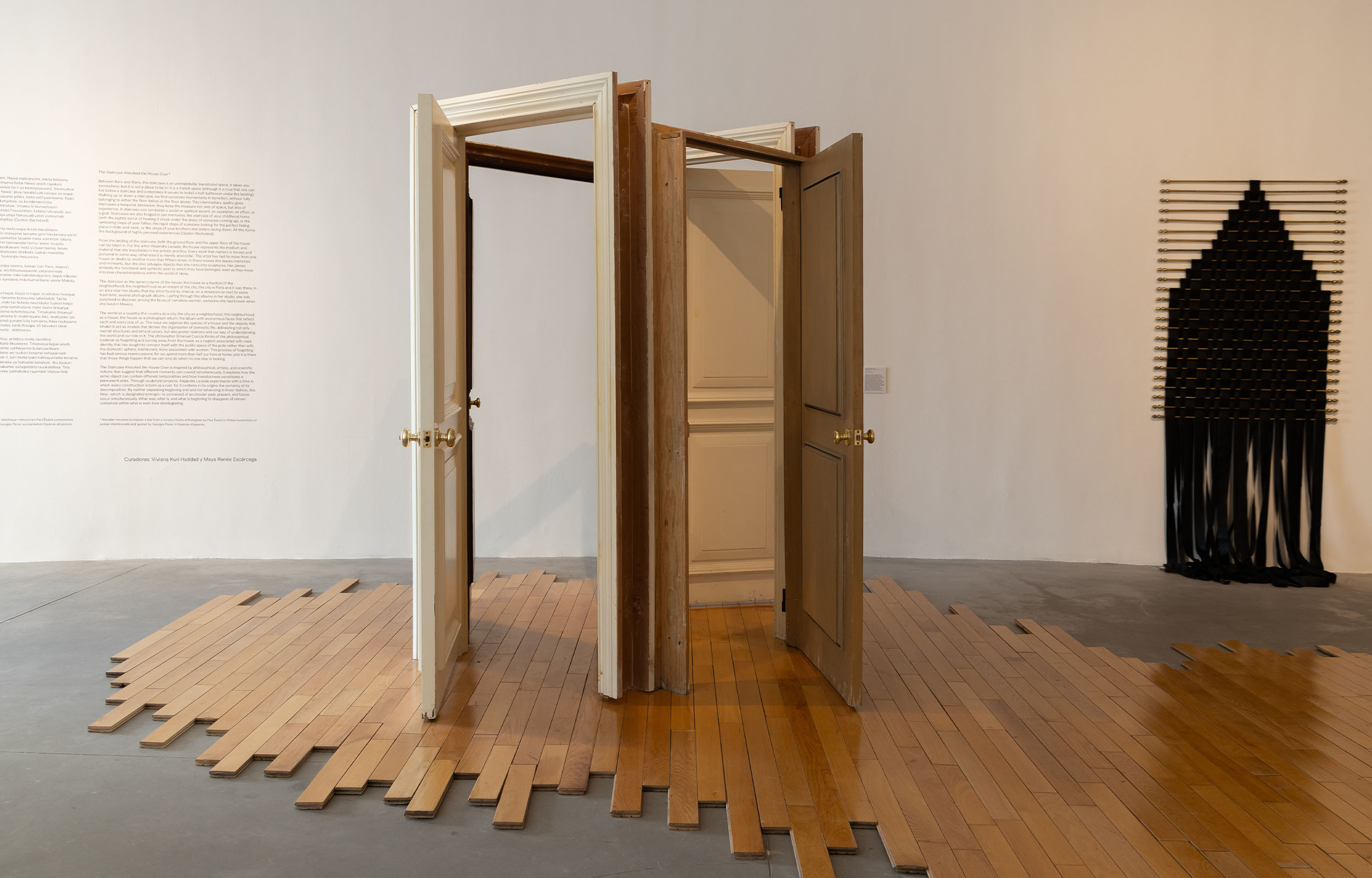
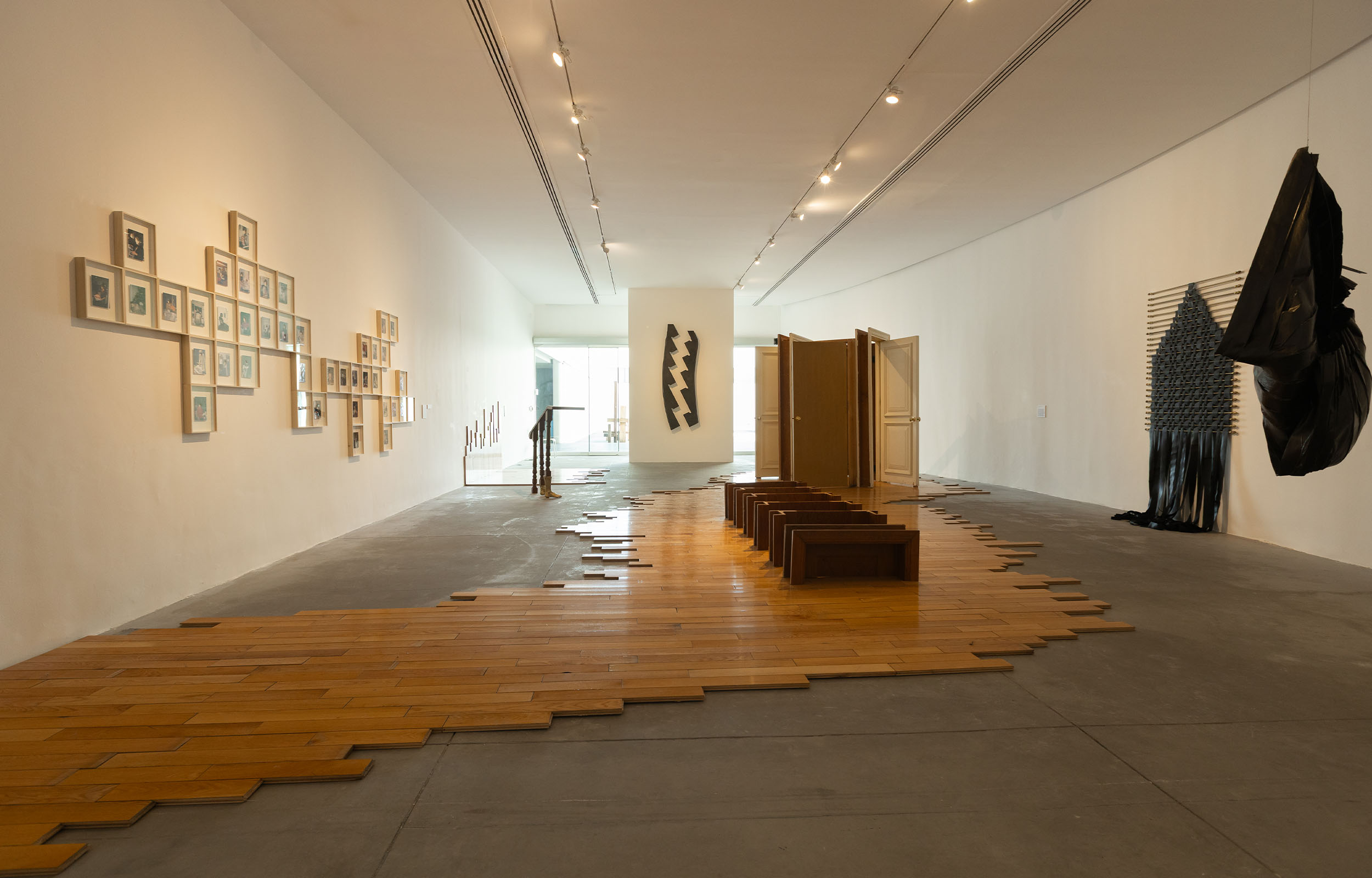
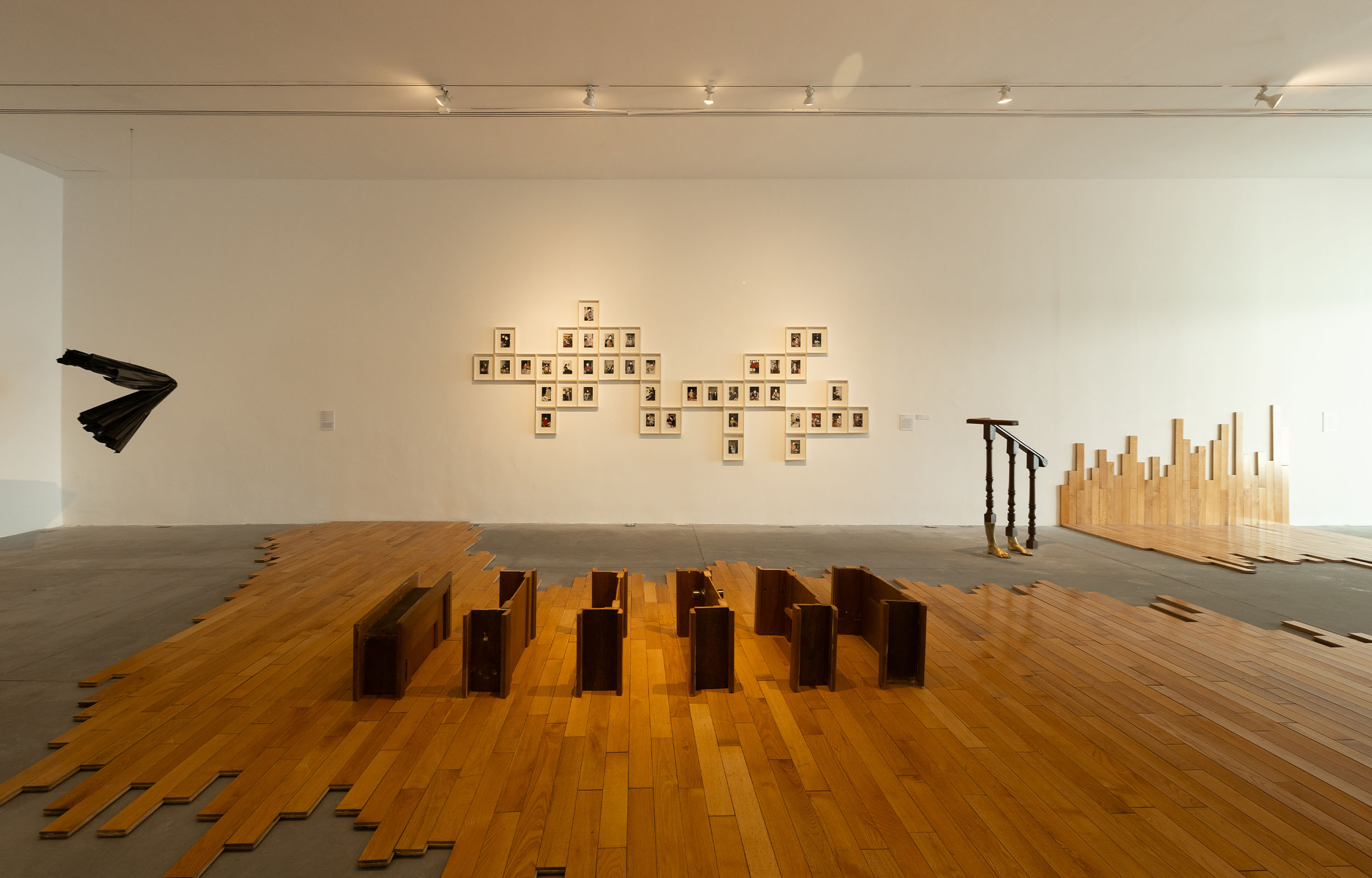
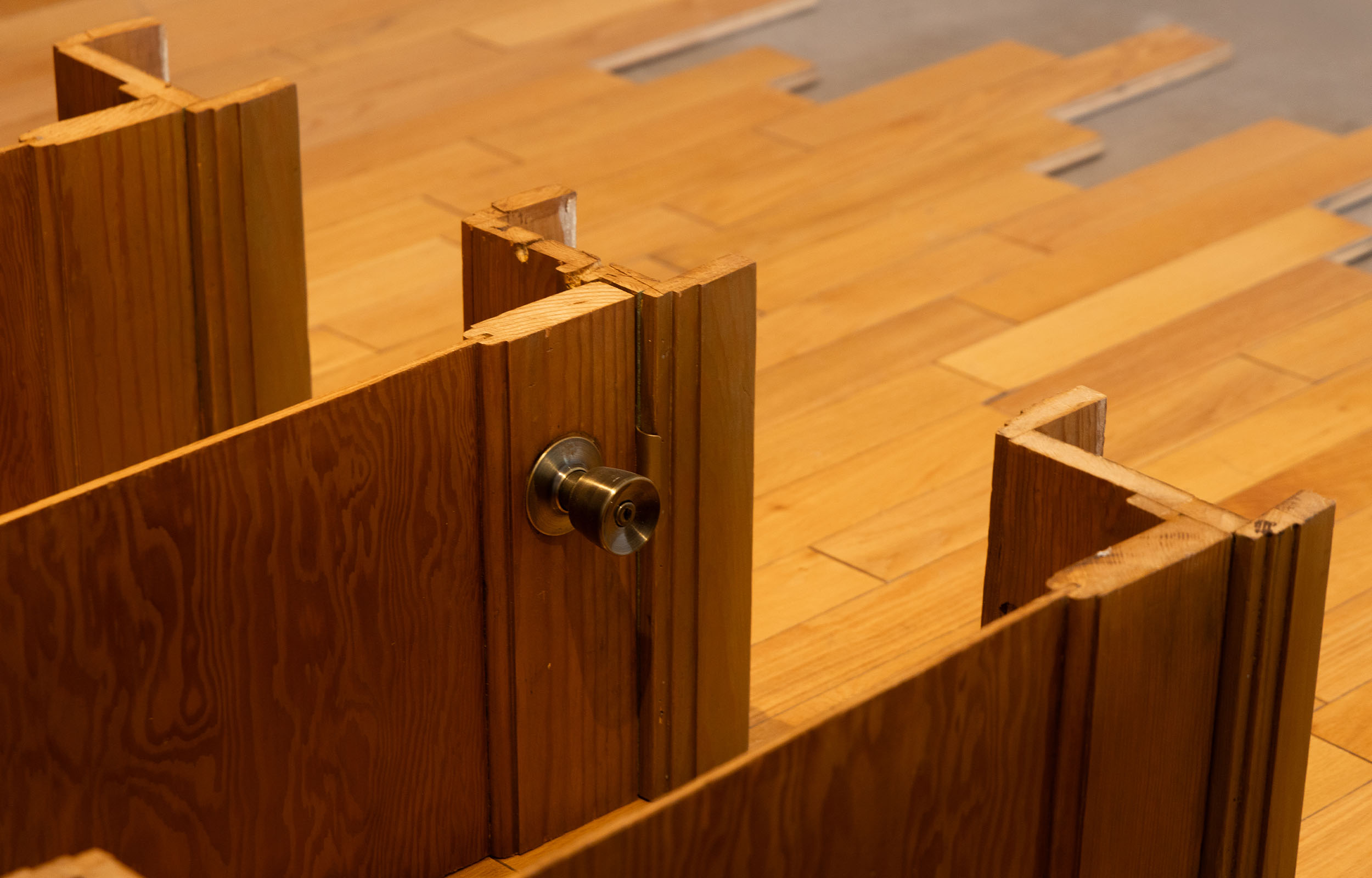
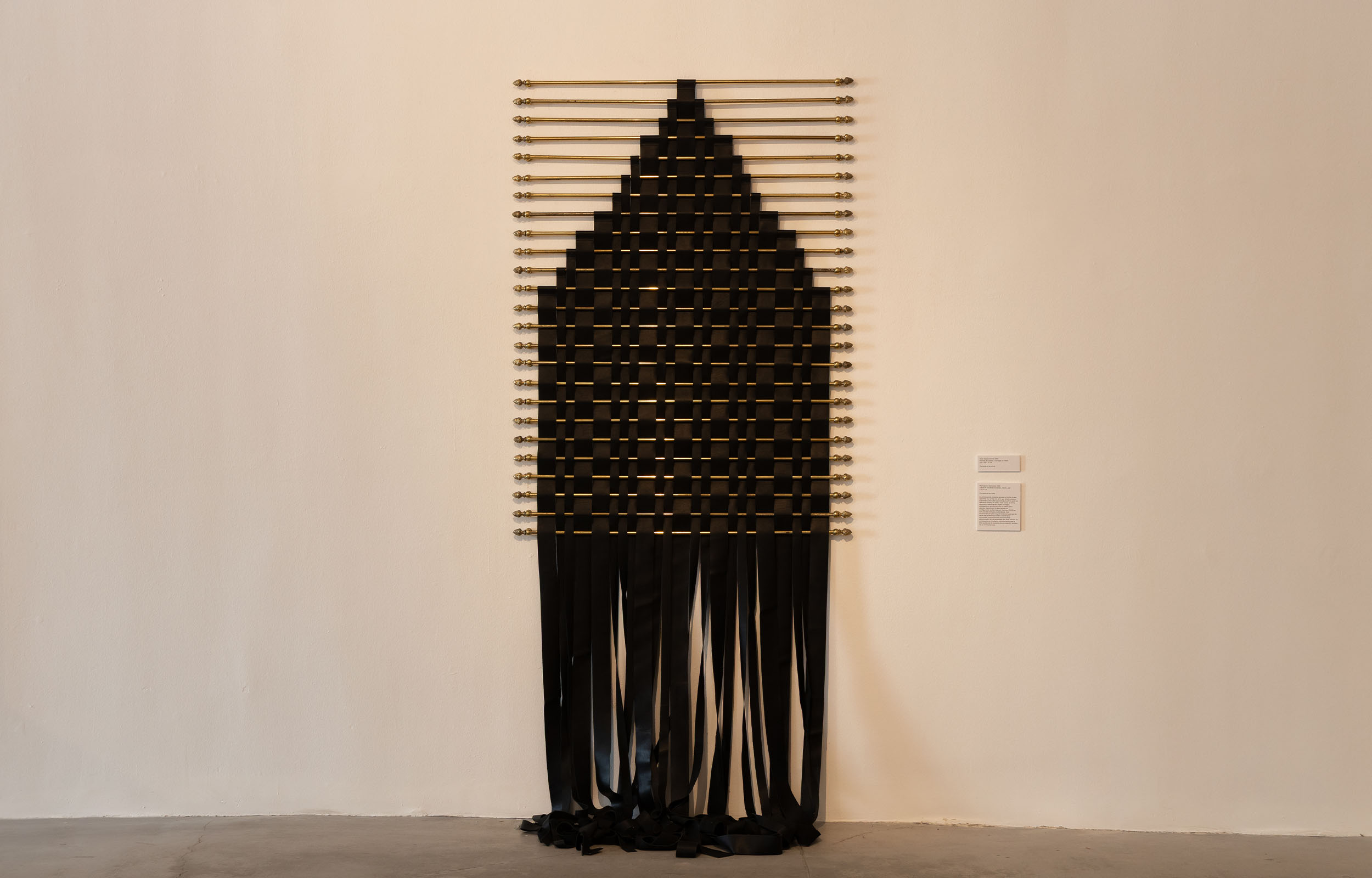
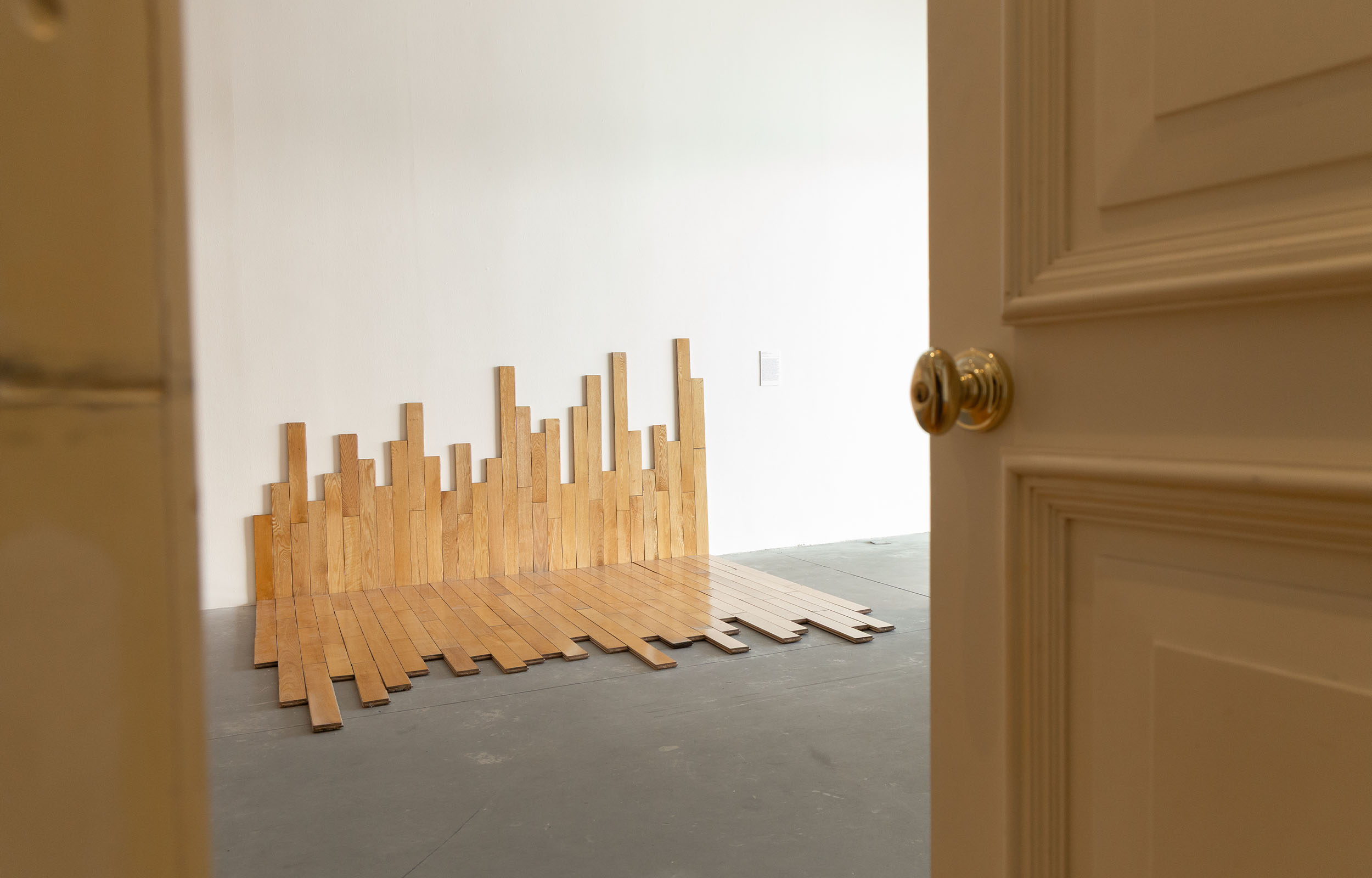
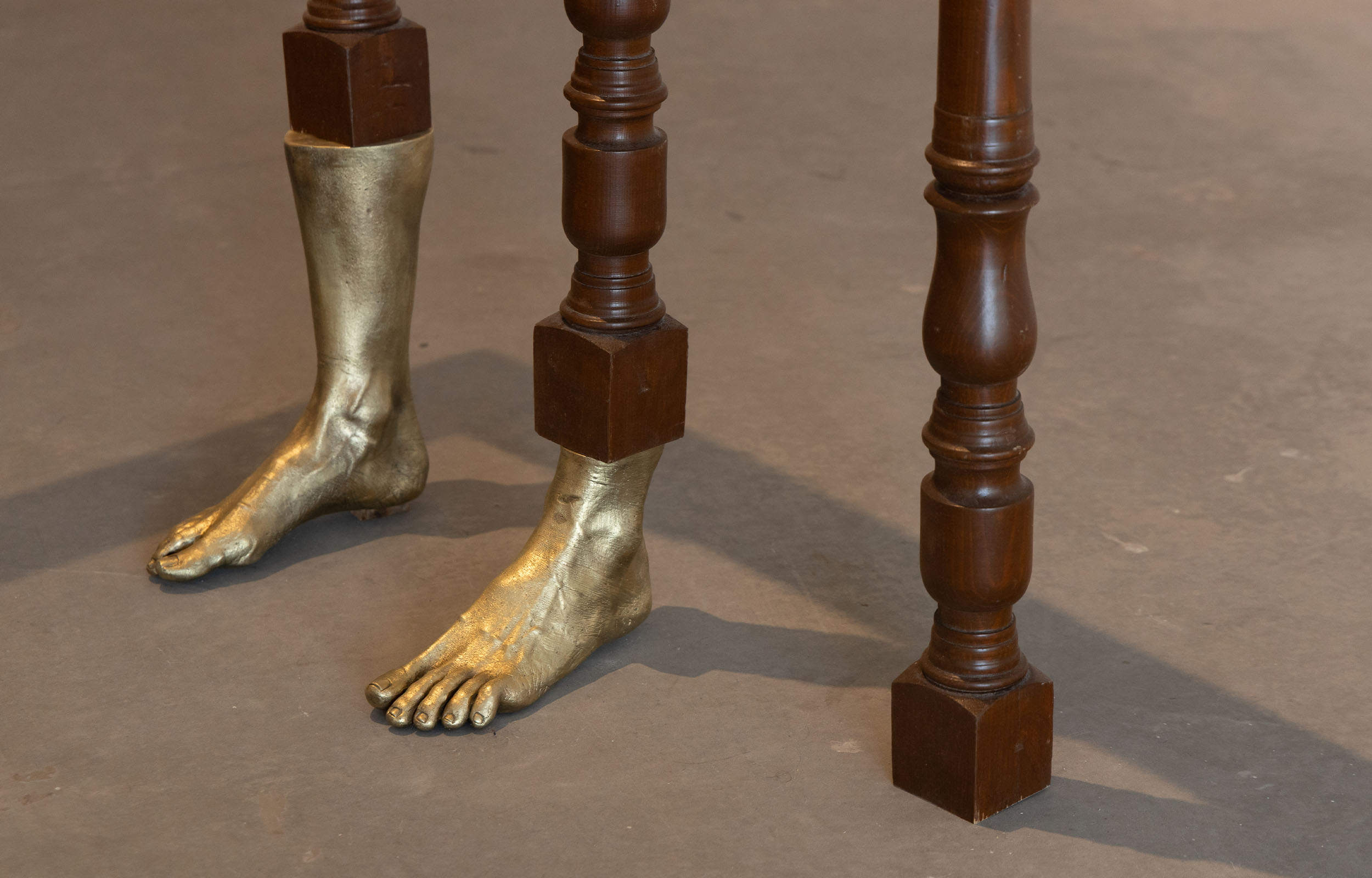
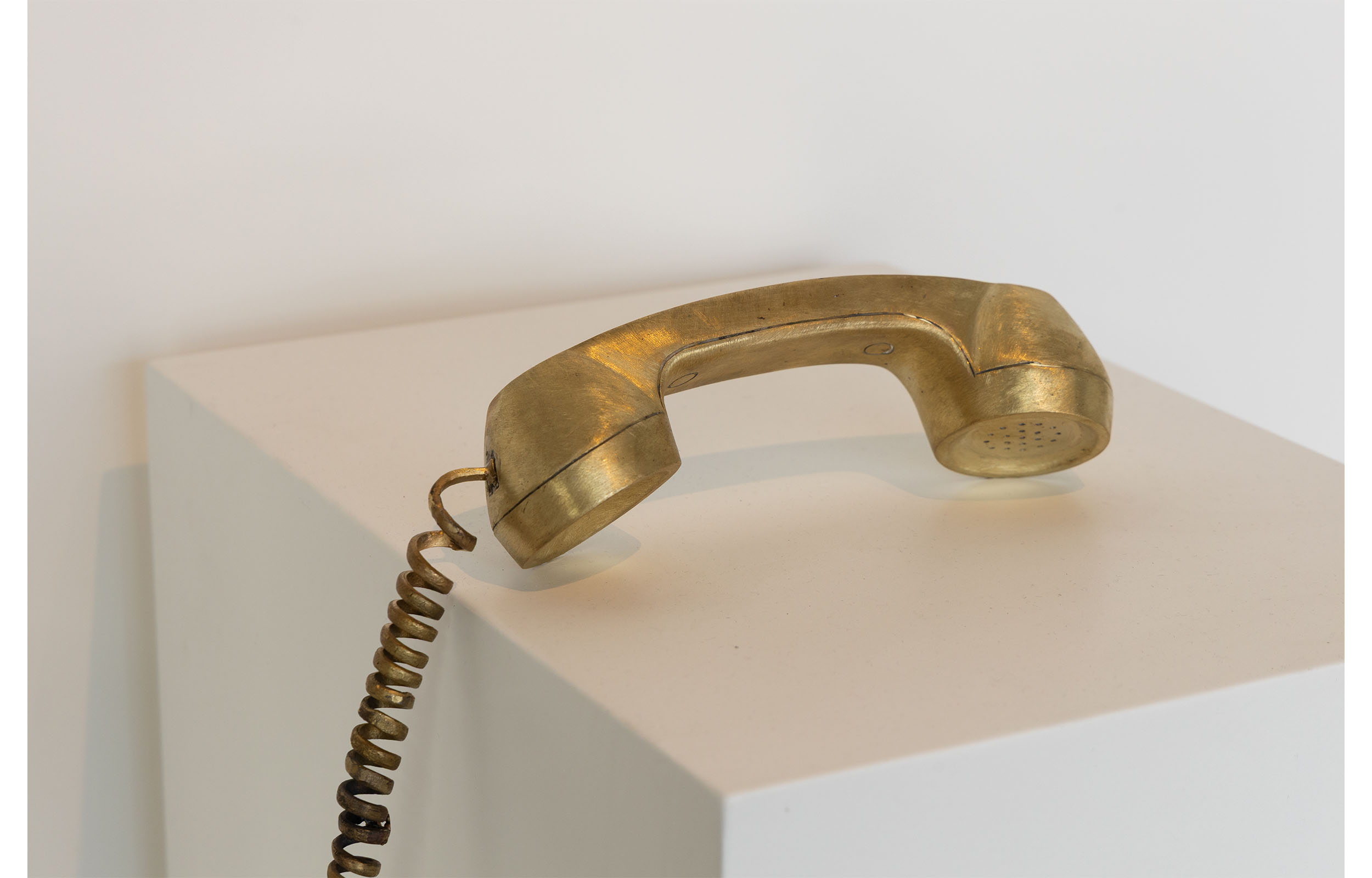
From the landing of the staircase, both the ground floor and the upper floor of the house can be taken in. For the artist Alejandra Laviada, the house represents the medium and material that she transforms in her artistic practice. Every work that matters is honest and personal in some way; otherwise it is merely anecdotal. The artist has had to move from one house or studio to another more than fifteen times. In these moves she leaves memories and remnants, but she also salvages objects that she turns into sculptures. Her pieces embody the functional and symbolic past to which they have belonged, even as they move into new characterizations within the world of ideas.
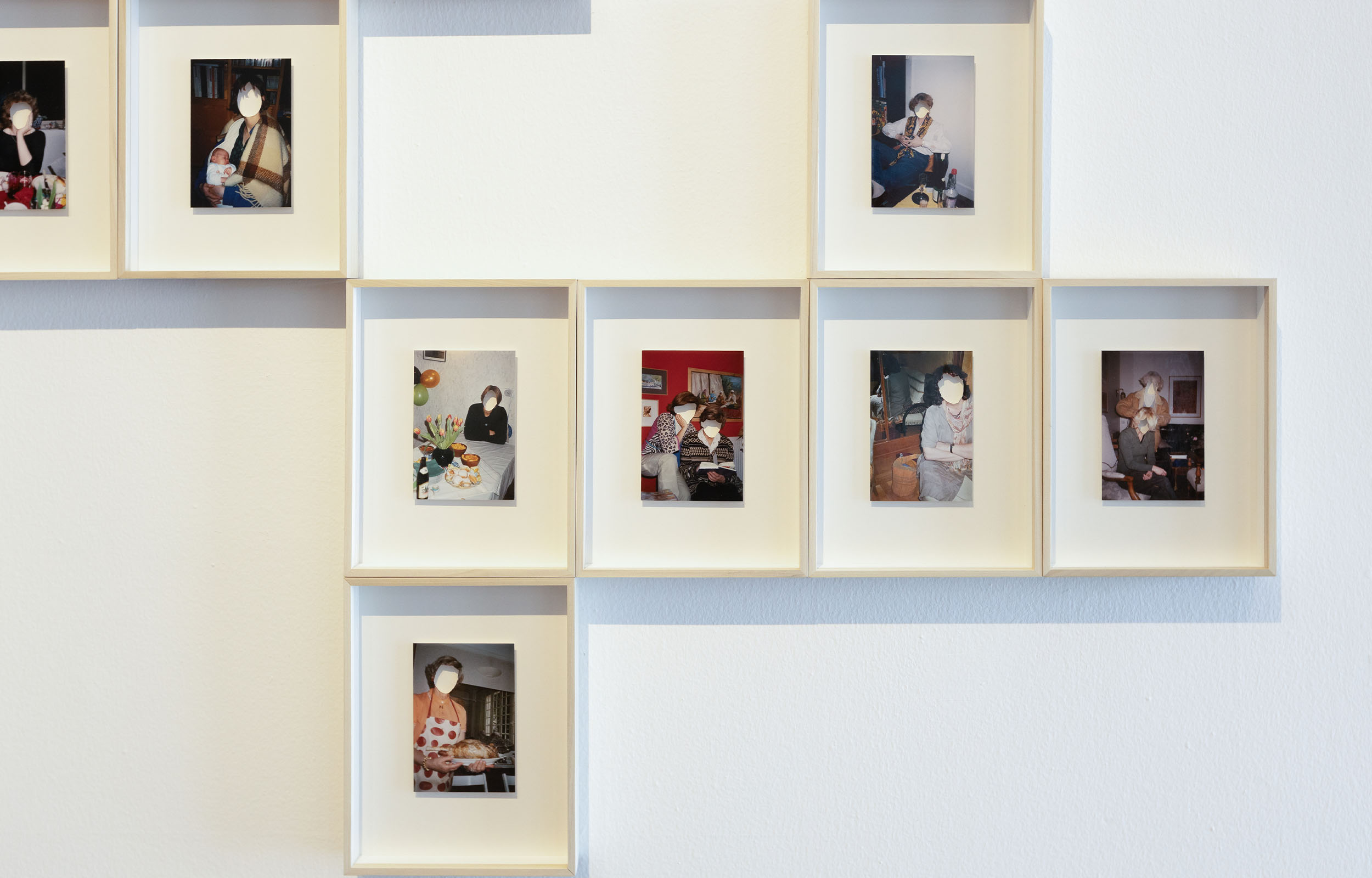
The staircase as the spinal column of the house, the house as a fraction of the neighborhood, the neighborhood as an instant of the city, the city is Paris and it was there, in an area near her studio, that the artist found by chance, on a streetcorner next to some trash bins, several photograph albums. Leafing through the albums in her studio, she was surprised to discover, among the faces of nameless women, someone she had known when she lived in Mexico.
The world as a country, the country as a city, the city as a neighborhood, the neighborhood as a house, the house as a photograph album, the album with anonymous faces that reflect each and every one of us. The ways we organize the spaces of a house and the objects that inhabit it act as models that dictate the organization of domestic life, delineating not only mental structures and ethical values, but also power relations and our way of understanding the world and our role in it. The philosopher Emanuel Coccia thinks of the philosophical tradition as forgetting and turning away from the house, as a neglect associated with male identity that has sought to connect itself with the public space of the polis rather than with the domestic sphere, traditionally more associated with women. This process of forgetting has had serious repercussions, for we spend more than half our lives at home, and it is there that those things happen that we can only do when no one else is looking.
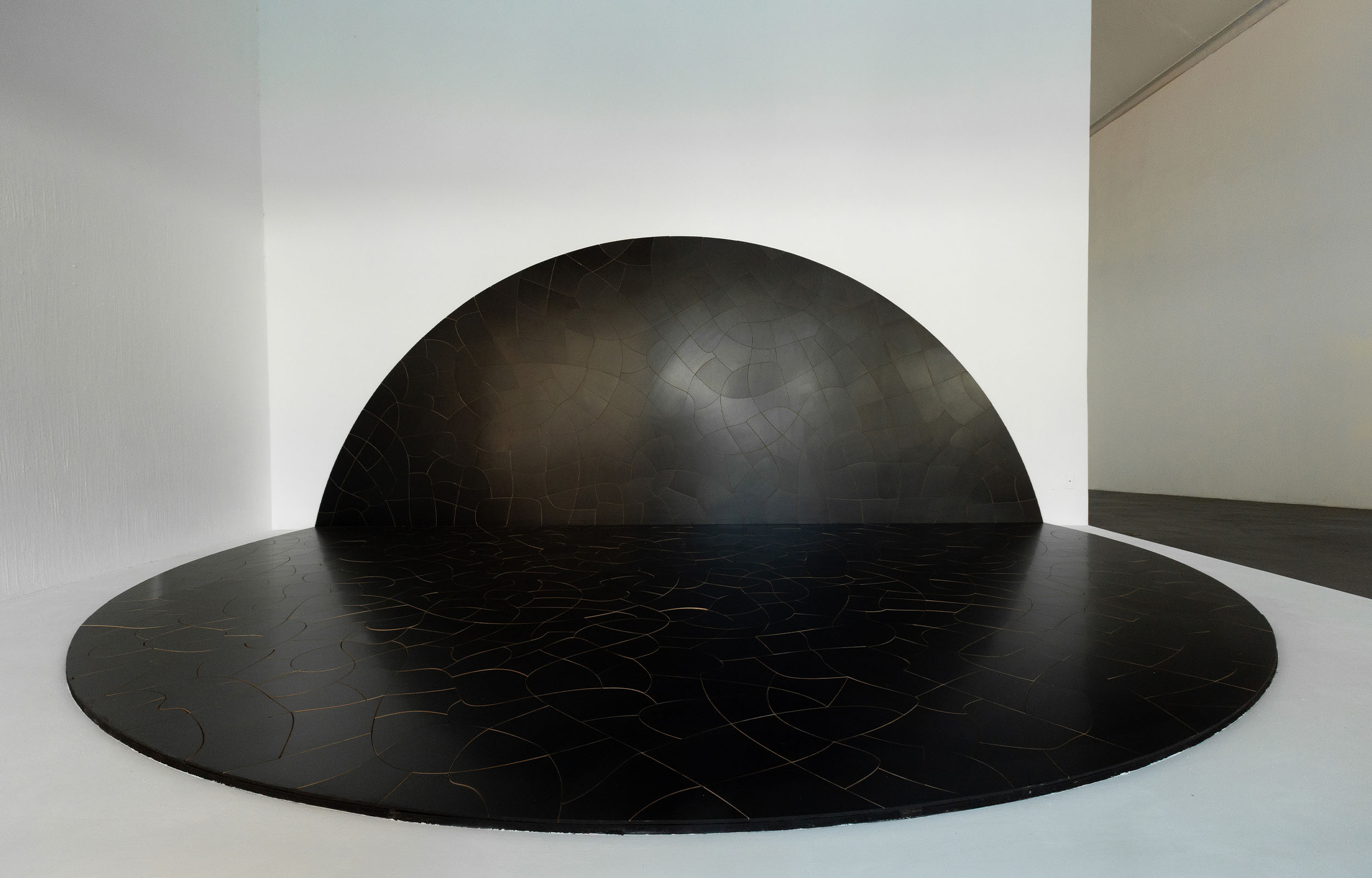
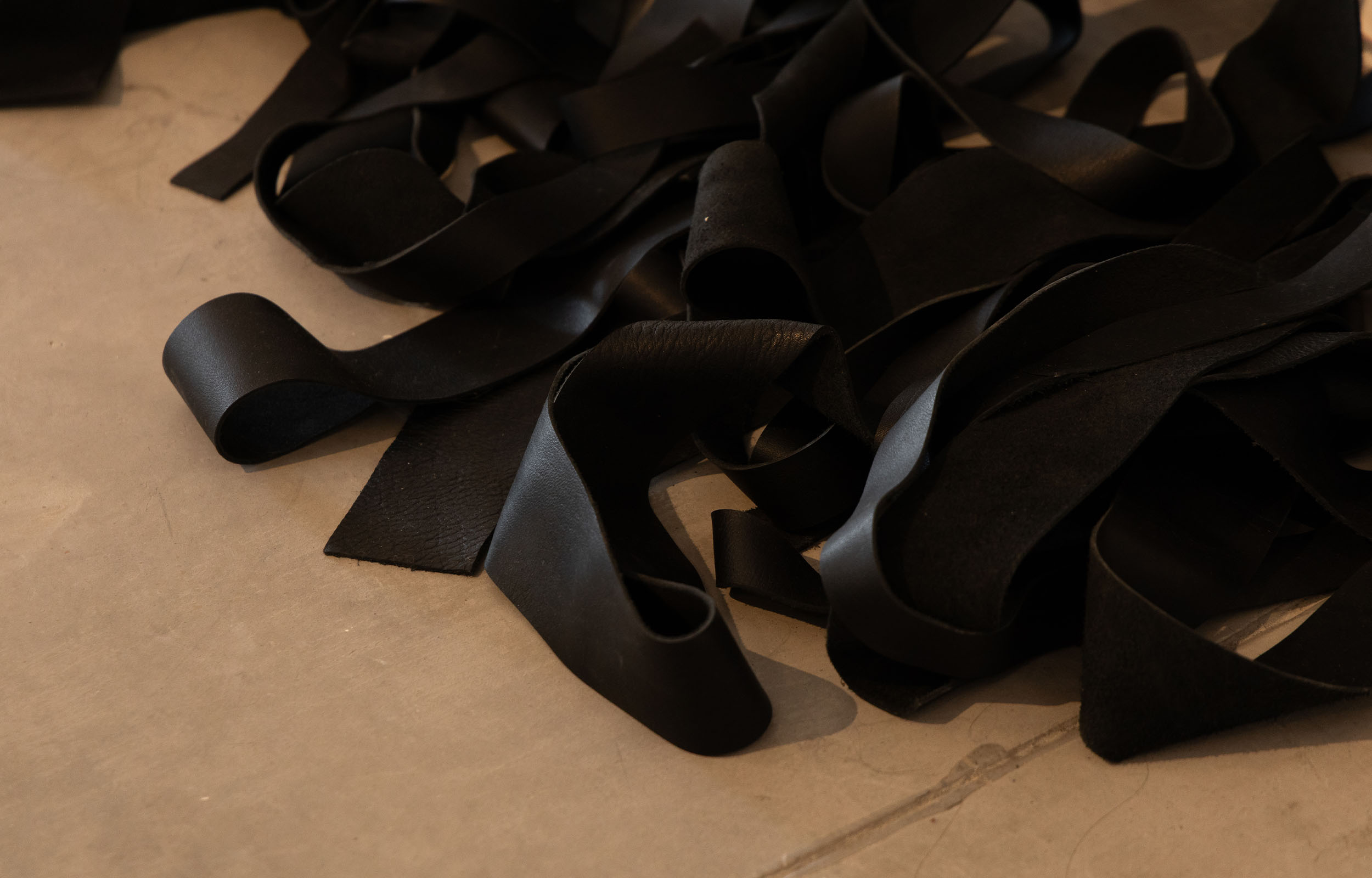
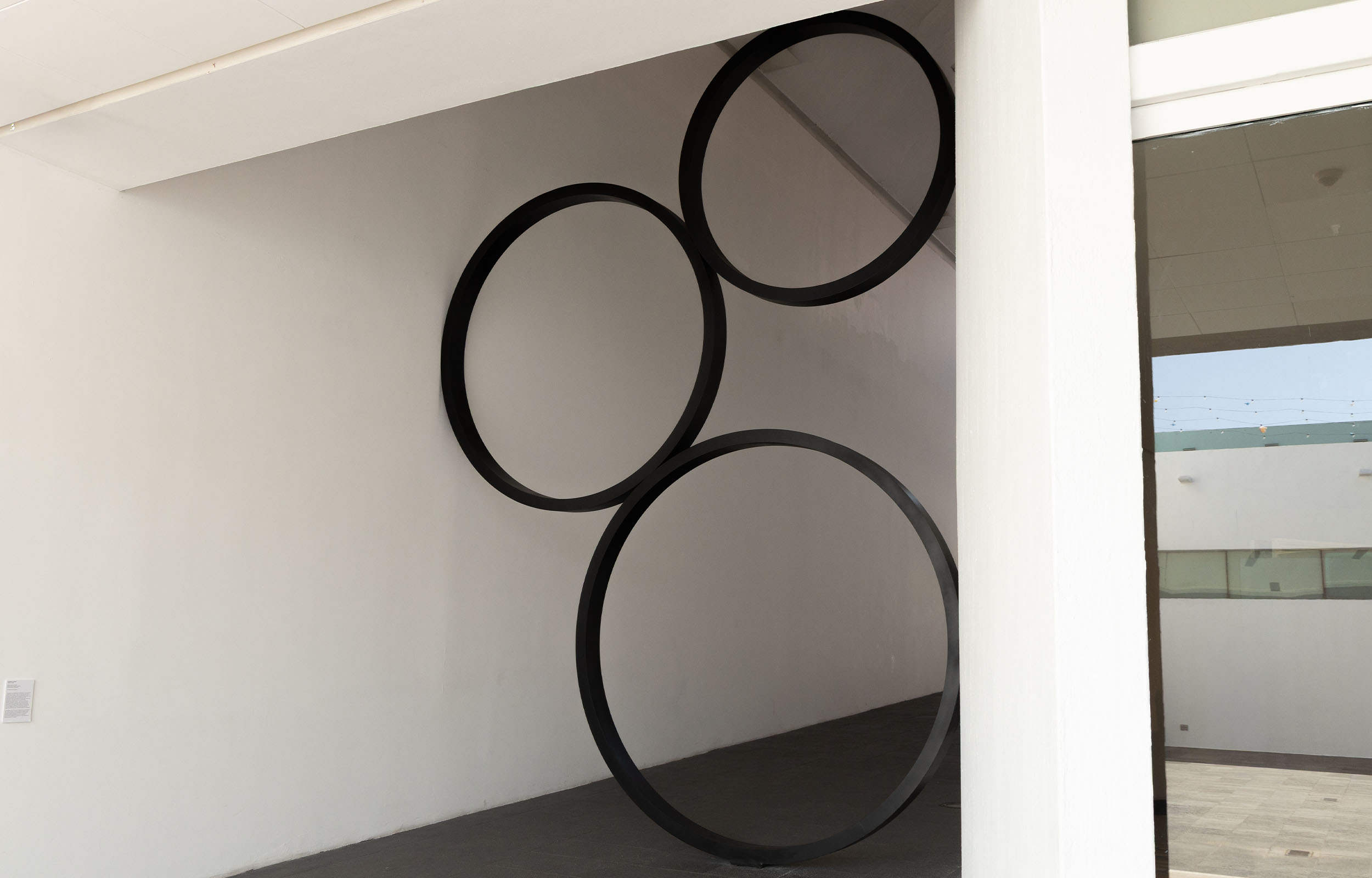
The Staircase Knocked the House Over is inspired by philosophical, artistic, and scientific notions that suggest that different moments can coexist simultaneously. It explores how the same object can contain different temporalities and how transitoriness constitutes a permanent state. Through sculptural projects, Alejandra Laviada experiments with a time in which every construction is born as a ruin, for it contains in its origins the certainty of its decomposition. By neither separating beginning and end nor advancing in linear fashion, this time ―which is designated entropic― is conceived of as circular: past, present, and future occur simultaneously. What was, what is, and what is beginning to disappear all remain contained within what is even now disintegrating.
* l’escalier renversa la maison: a line from a nursery rhyme anthologized by Paul Éluard in Poésie involontaire et poésie intentionnelle and quoted by Georges Perec in Espèces d’espaces.